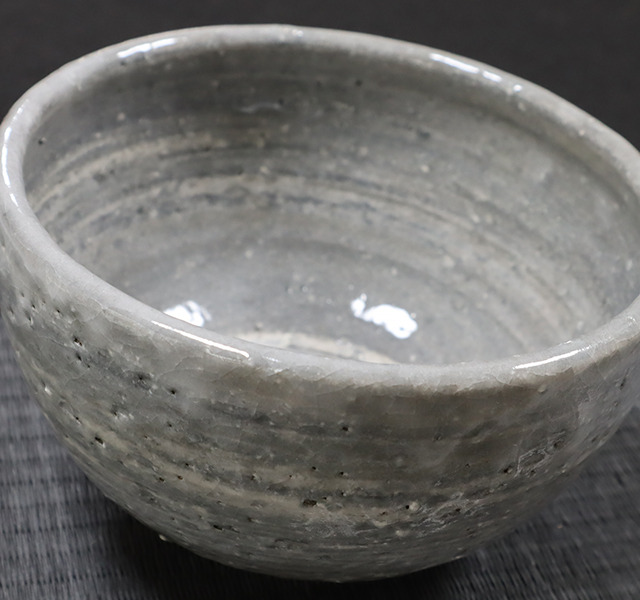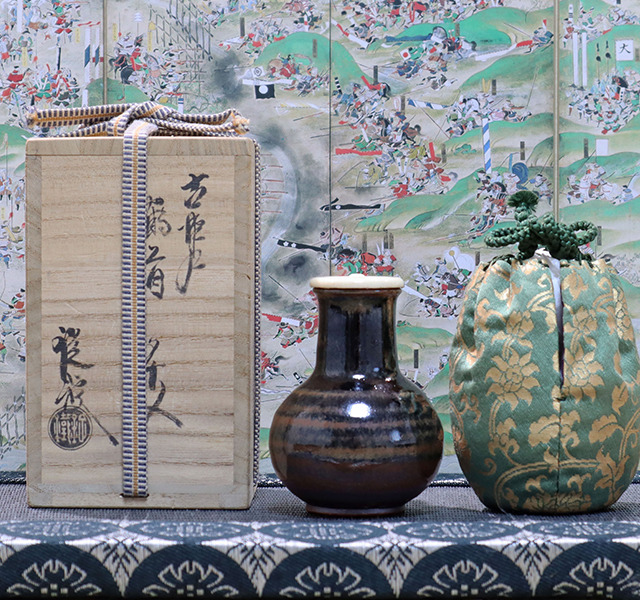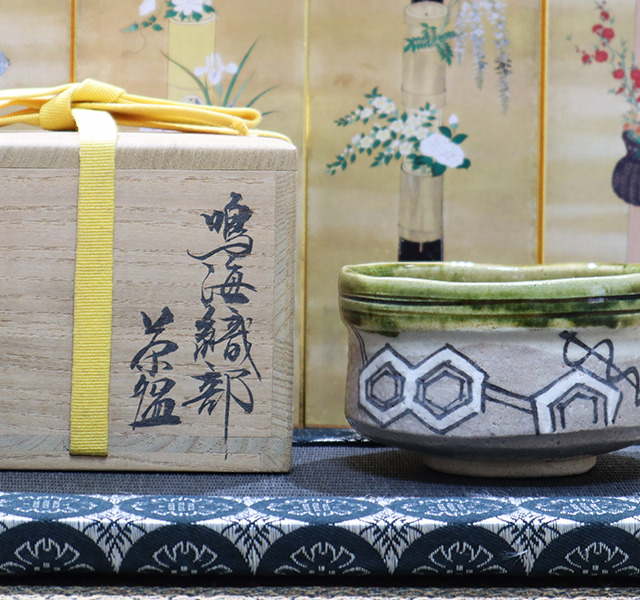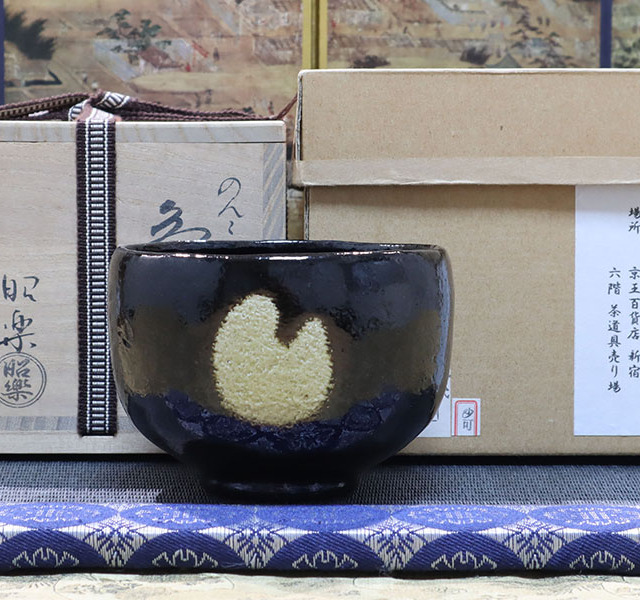


A customer who purchased a piece of Shigaraki ware by Furutani Michio once asked why it looked more like Bizen ware. The customer had expected Shigaraki pottery to have a lighter, yellowish-brown color, but this particular piece looked quite different.
It was an understandable question, as Bizen and Shigaraki ware can sometimes have remarkably similar colors and textures.
Bizen ware, produced in Okayama Prefecture, traditionally uses relatively fine, iron-rich clay. Depending on the firing conditions, its surface may develop reddish-brown, dark brown, or nearly black tones. Bizen ware is also known for the natural markings created by flame and ash during firing.
Shigaraki ware, from Shiga Prefecture, often has a coarser clay body containing particles of quartz and feldspar. Its characteristic features include a warm reddish color known as hi-iro, small white spots formed by feldspar, and natural ash glaze. However, wood firing can also produce dark brown or black areas known as koge.
As a result, certain Shigaraki pieces can resemble Bizen ware or even neighboring Iga ware. Color alone is not always enough to distinguish them. The texture of the clay and the effects of firing are equally important.
Reference: Yōhen to Yakishimetō (窯変と焼締陶), Yakimono Meikan, Vol. 1, Kodansha, 1999. ISBN 9784062677530.