




Medome
Japanese ceramic matcha bowls are generally more porous and absorbent than porcelain. With a little care before and after use, you can help prevent staining, unwanted odors, and moisture-related problems, while enjoying the natural character of the bowl for many years.
Before First Use
Traditionally in Japan, a process called **medome** was often carried out before using a new ceramic bowl.
Medome usually involved soaking or gently simmering the bowl in rice-washing water or water mixed with a small amount of flour. The starch was intended to fill the tiny pores in the clay and help prevent stains, odors, and water seepage.
However, if starch remains inside the porous clay or if the bowl is not dried thoroughly afterward, it may sometimes contribute to mold or unpleasant odors.
For this reason, we generally recommend a simpler method for matcha bowls today.
Before using your bowl for the first time, place it in clean lukewarm water and allow the clay to absorb moisture. This helps reduce the absorption of tea into the dry surface of the bowl.
For highly absorbent wares, including many Raku tea bowls, it is especially important to avoid sudden changes in temperature. Begin with lukewarm water and allow the bowl to warm gradually.
Before Each Use
Before preparing matcha, it is a good idea to rinse or warm the bowl with lukewarm to moderately warm water.
A completely dry ceramic bowl can absorb moisture and tea more readily. Allowing the bowl to take in clean water first can help reduce staining and also gently warm the vessel before use.
This is particularly recommended for soft, porous ceramics such as Raku ware.
After Use
Wash the bowl by hand as soon as reasonably possible after use.
Use clean lukewarm water and gently rinse away any remaining matcha. As a general rule, avoid using dishwashing detergent, especially on porous ceramics such as Raku ware, as detergent may be absorbed into the clay. Avoid abrasive sponges, cleansers, and strong rubbing.
Extra care should also be taken with bowls decorated with gold, silver, or overglaze painting.
Drying and Storage
Proper drying is one of the most important parts of caring for a ceramic matcha bowl.
After washing, allow excess water to drain and leave the bowl to dry naturally in a well-ventilated, shaded place.
Even when the surface appears completely dry, moisture may still remain inside the clay. Highly porous bowls may require several days, and sometimes up to a week, to dry thoroughly.
Placing a bowl back into its wooden storage box before it is completely dry may cause mold or unwanted odors.
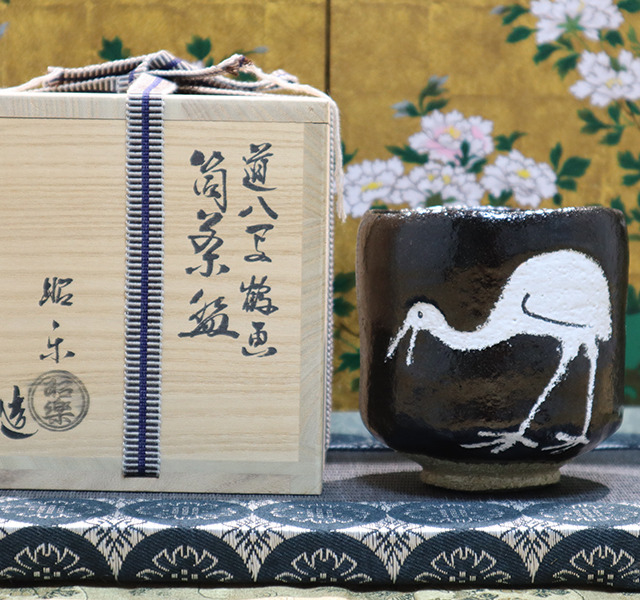
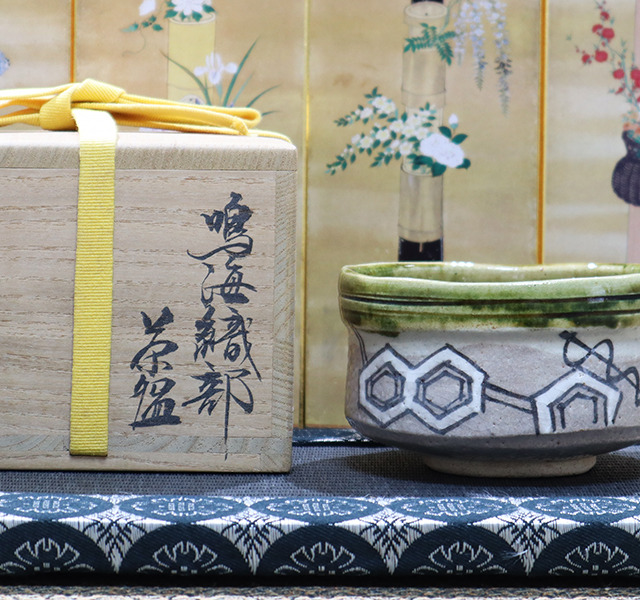
For long-term storage, avoid sealing the bowl in plastic, polyurethane foam, or other non-breathable materials. A soft cloth and a breathable wooden box, such as a traditional paulownia **tomobako**, are preferable once the bowl is fully dry.
Enjoying the Bowl Over Time
Many Japanese ceramics gradually develop subtle changes in tone and character through use. This natural aging is part of the pleasure of living with handmade pottery.
By avoiding sudden temperature changes, washing the bowl gently, and allowing it to dry completely before storage, you can enjoy your matcha bowl safely and beautifully for many years.
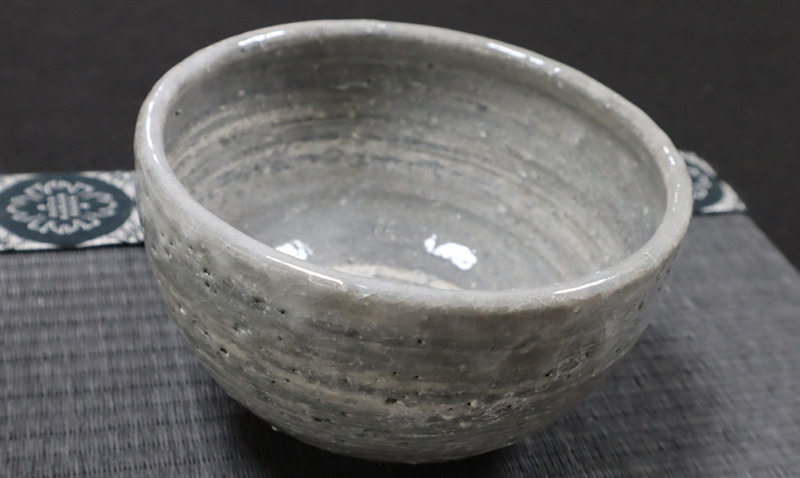
The photo shows Hakeme Chawan.





No comments yet.