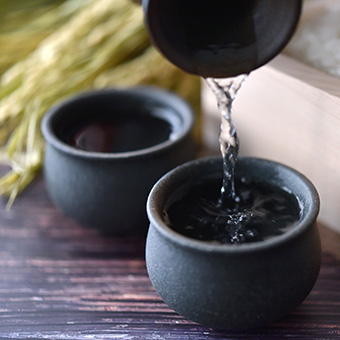


Haisen (盃洗 or 杯洗) is a traditional Japanese vessel used to rinse sake cups during drinking gatherings. In the past, it was customary for guests to share sake by passing a cup from one person to another. The cup could be rinsed in a haisen filled with water before being offered to the next person.
Originally, ordinary bowls were used for this purpose. Over time, specially made haisen appeared in various materials, including porcelain, lacquerware, and tin. Many were beautifully decorated, and some lacquerware examples featured elaborate maki-e designs and were presented on their own stands.
Haisen were not appreciated solely for their practical purpose. An account from the Edo period even describes the pleasure of watching sake cups floating in the water of a haisen.
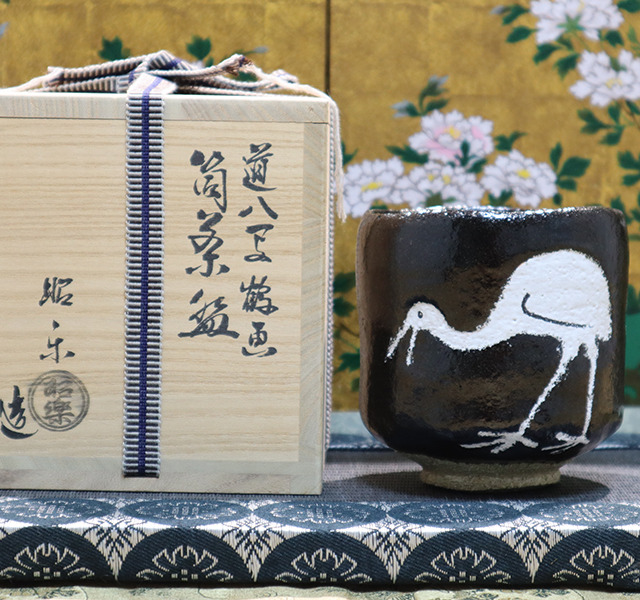
Today, as people generally use individual sake cups, haisen are rarely needed for their original purpose. However, their distinctive shapes and decorative qualities can still be appreciated as part of Japan’s traditional craftsmanship.
Personally, I do not use haisen to rinse sake cups, but I have always liked these vessels. For me, their beauty is not limited to their original function.