






Vintage Bizen Matcha Tea Bowl, Japanese Matcha Tea Bowl, Bizen Ware, Sangiri, Yohen, Haikaburi, Stone Burst, Kuttsuki, Konishi Touko, Toukogama Kiln, Chawan,
Bizen ware is a Japanese pottery tradition from the former Bizen province in present-day Okayama, Japan. Konishi Touko is known for Sangiri.
Mimura Toukei and Konishi Touko, both first-generation artists, are described as having developed the Sangiri technique together in 1926.
2nd Konishi Touko (1927-2018) succeeded as 2nd Konishi Touko in 1954 after her father, 1st Konishi Touko, passed away.
Her son, Konishi Tozo (1947-), became the head of Touko Kiln after 2nd Touko passed away.
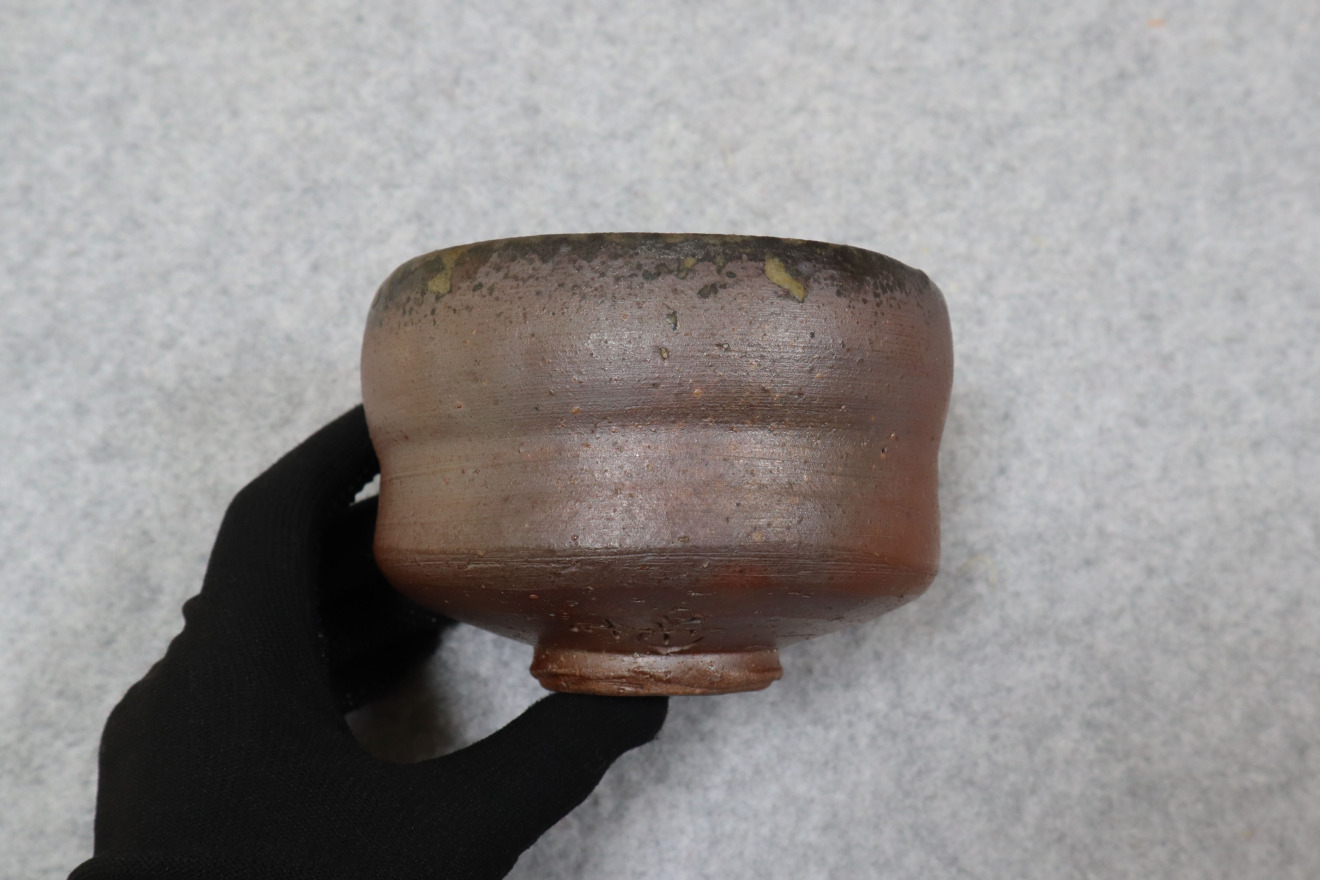
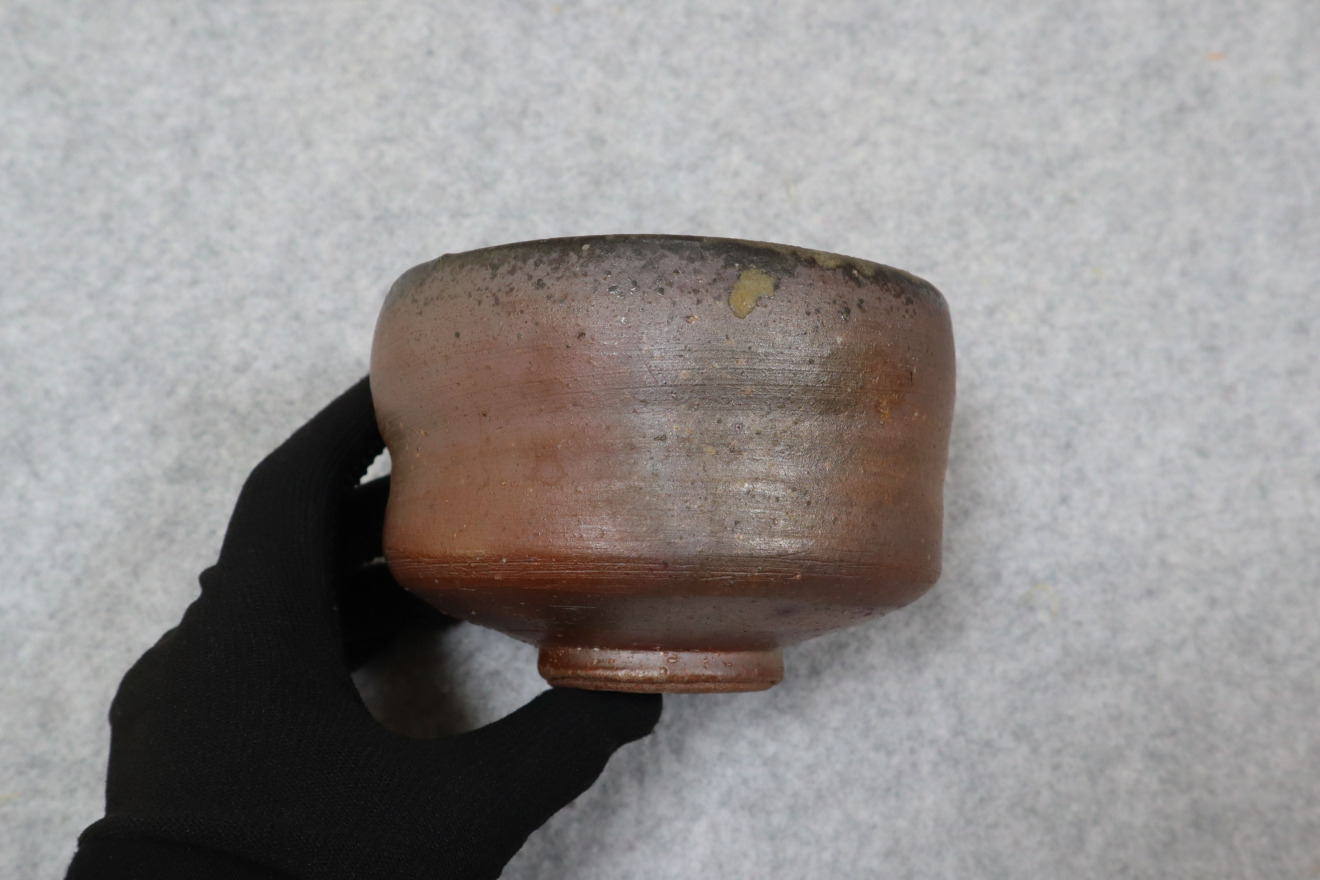
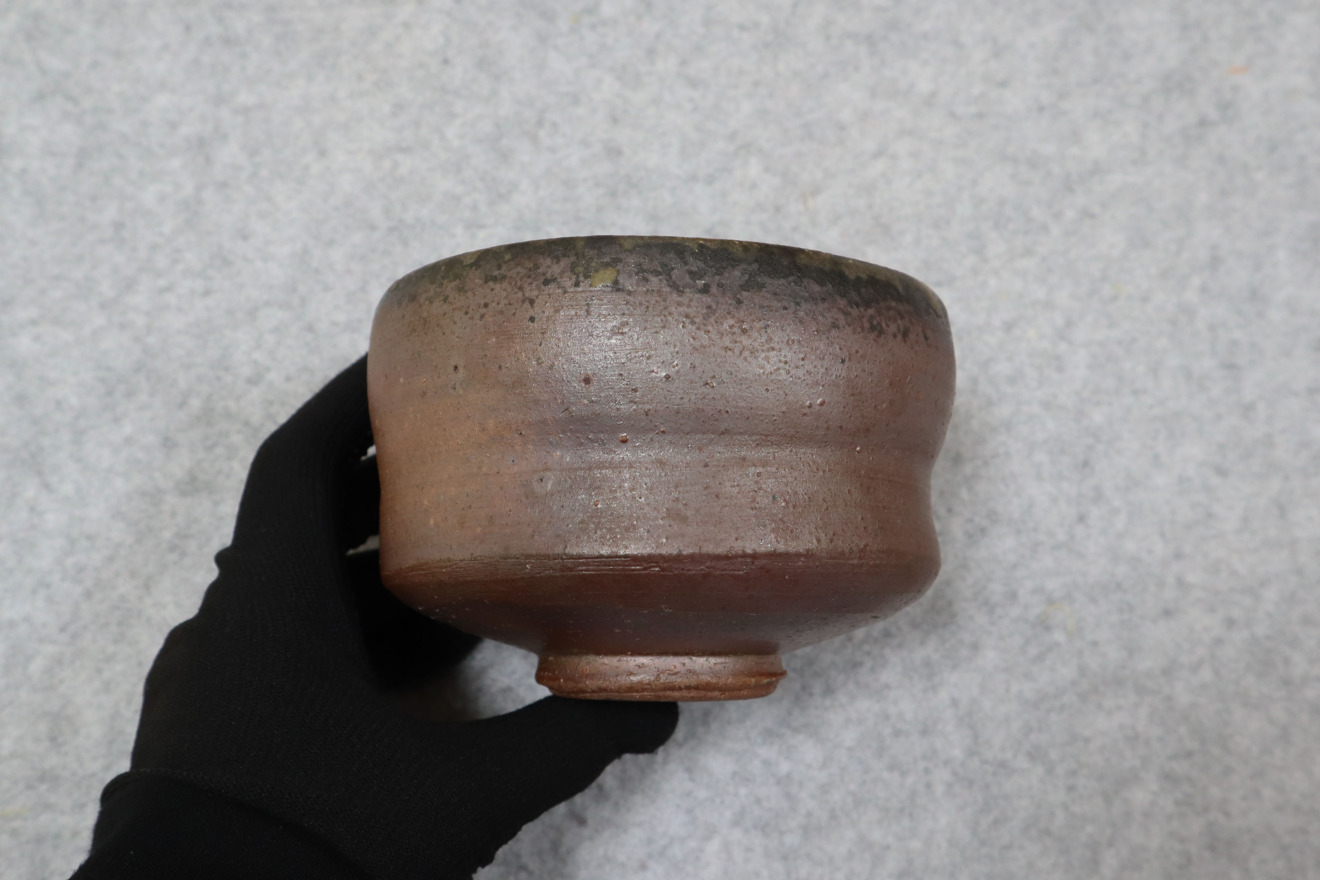
This Bizen ware Matcha tea bowl (Chawan) was made by 2nd generation Konishi Touko (1927–2018). It comes with its Tomobako (original signed paulownia box) and Tomonuno (original artist-stamped cloth).
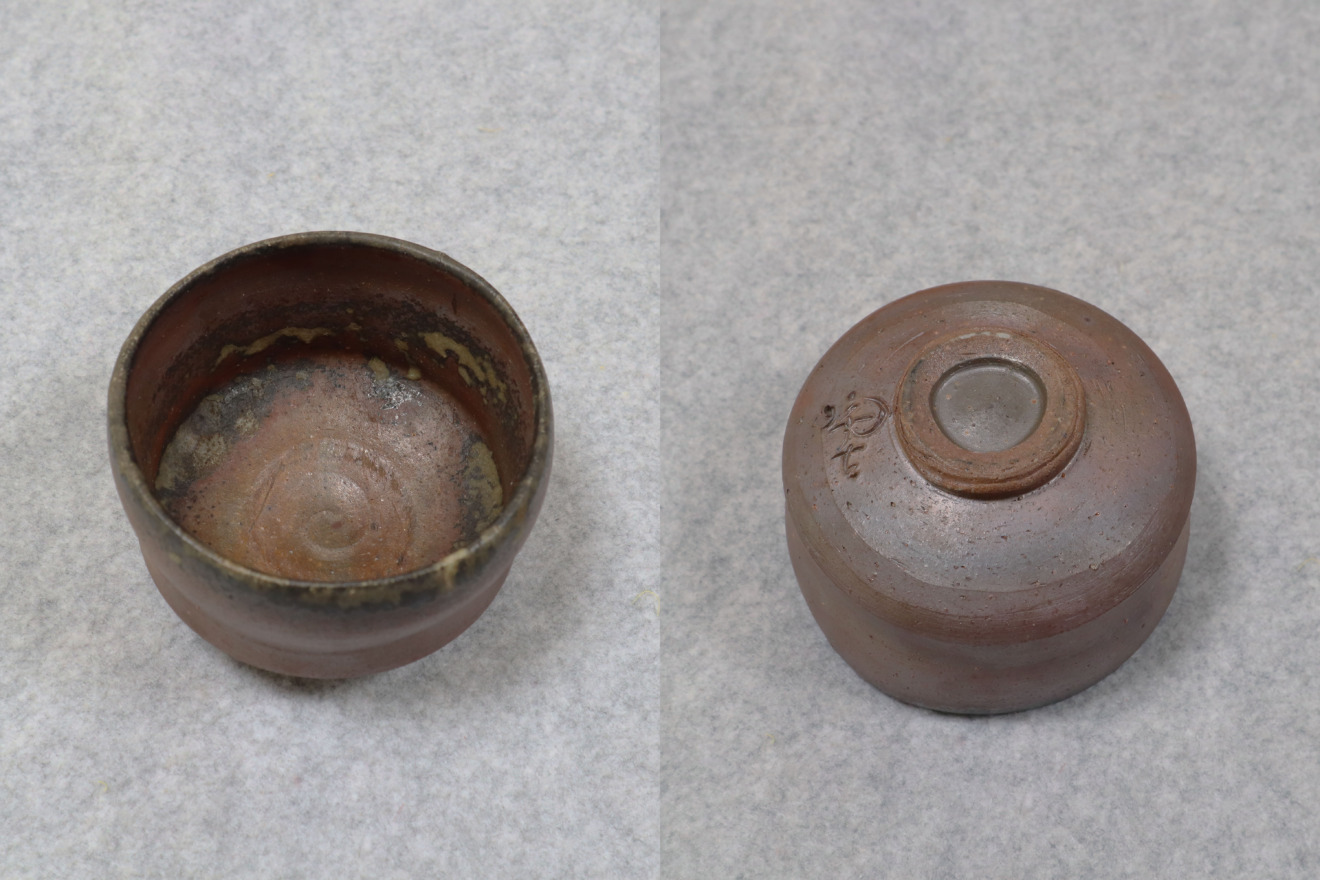
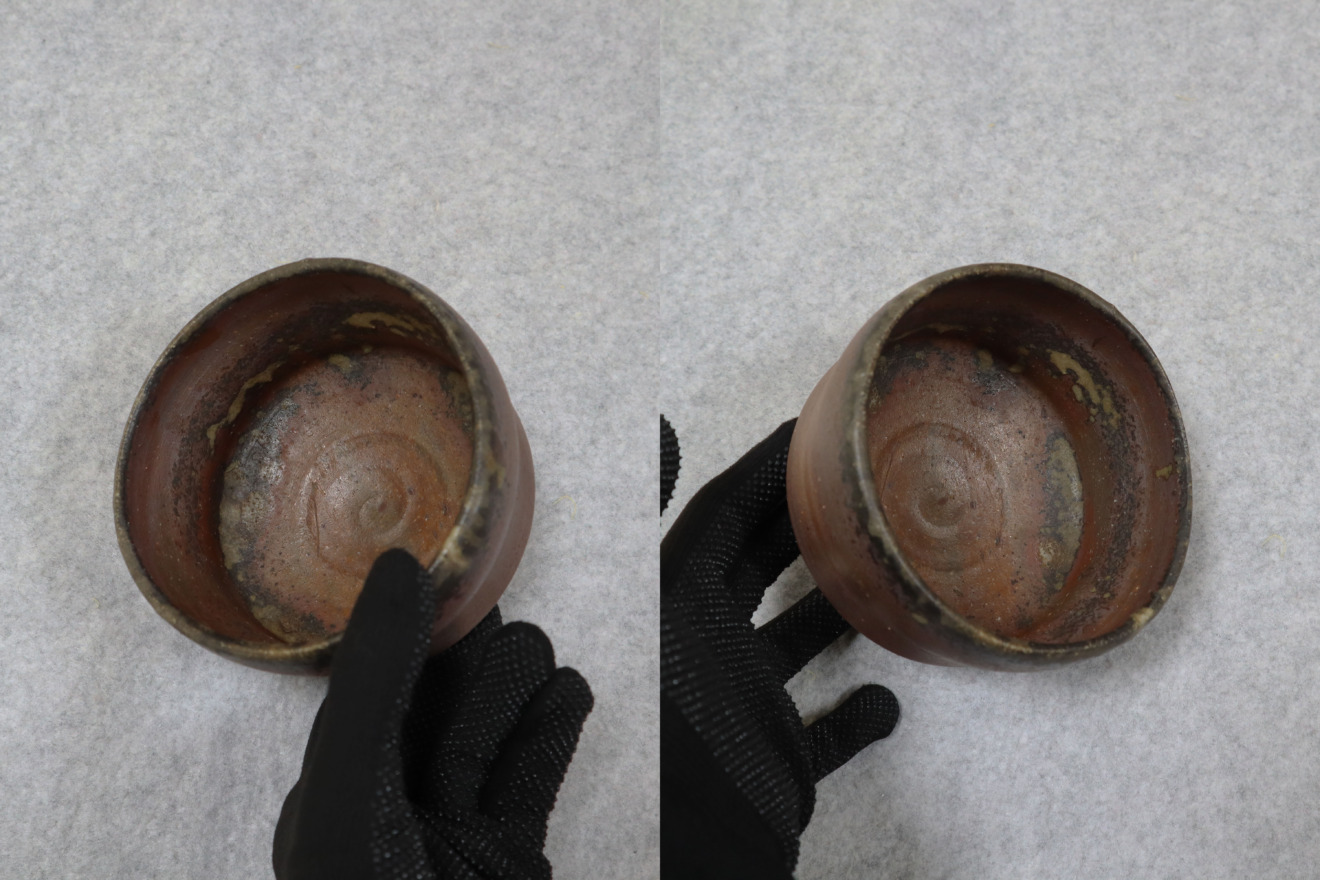
The exterior has a restrained, balanced form. Inside the bowl, natural kiln effects such as ishihaze (small stone bursts) and kuttsuki (firing marks from contact during firing) create varied surface textures.
These kiln effects become more visible as the interior of the bowl is viewed from different angles.
Measurement
Width: 11.5cm / Approx. 4 17/32”
Height: 8cm / Approx. 3 5/32″
Thickness: 0.65cm / Approx. 0 1/4”
Weight: 349g
Gross Weight: 643g
Age: – 1980s
Material: Pottery
Color: Sangiri, Yohen, Goma Colors – Charcoal Gray, Dark Brown, Brown, Ash Gray
Firing Effects: Sangiri, Yohen, Haikaburi
Surface Features: Stone Burst, Kuttsuki (firing contact marks)
Condition: Excellent vintage condition consistent with age. (Unused or mint condition)
* Tomobako (original signed paulownia box)
* Tomonuno (original artist-stamped cloth)
* Retailer-provided information sheet (Bizen pottery shop)
* No chips, cracks, scratches, or blemishes.
* Inscription (Refer to No. 9 photo)
* Ishihaze (stone bursts), Haikaburi, and Kuttsuki (firing contact marks) on the surface.
* Wooden nails on the box. (Refer to No. 10 photo)
* Light discoloration and scratches on the box. (Refer to No. 10 photo)
* The kodai (foot ring at the base of the tea bowl) rests on surfaces, so minor contact marks may be present.
If you have any questions about the condition or would like additional photos, please contact us before purchasing.


